One of the biggest financial decisions you’ll ever make is buying a home, and choosing the right mortgage can make a huge difference in the long run. Of all the terms you may have encountered-but maybe didn’t quite understand-is that of a portable mortgage.
So, what does it mean, and why is it going to be more relevant in 2026?
What is a portable mortgage?
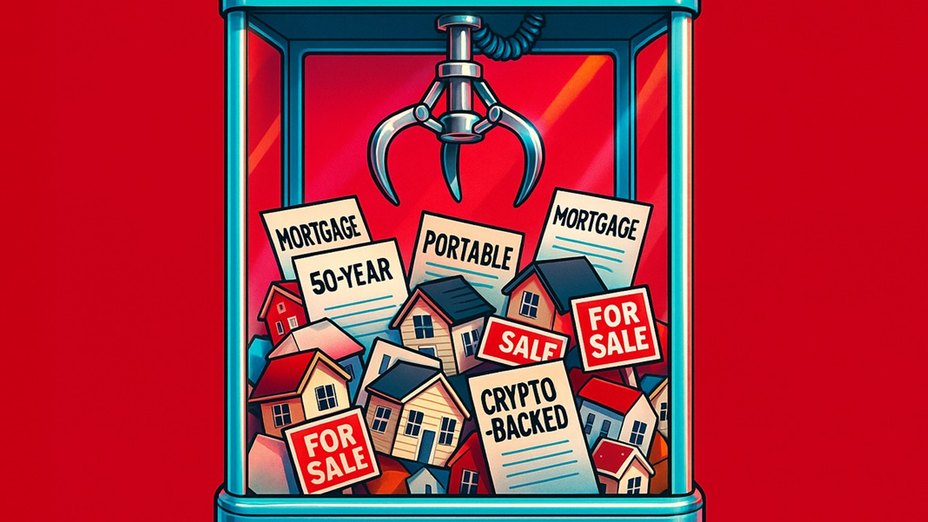
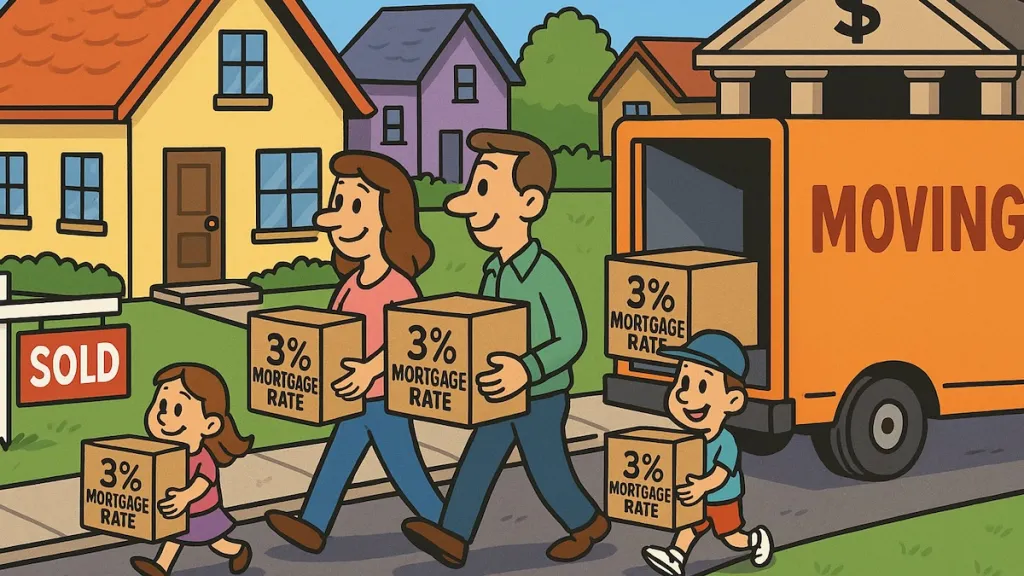
Essentially, a portable mortgage allows you to transfer your existing mortgage on your current property to a new property along with its interest rate and terms. Rather than breaking your present loan and applying for a new one, you would simply “move” your mortgage to the next home.
In other words, portability means flexibility. You will get to keep your low interest rate, avoid penalties, and not complicate the financing process when you relocate.
How Does a Portable Mortgage Work?
Here’s how it usually works:
- You sell your current house.
- You purchase a new property in the timeframe allowed by the lender.
- This means that your existing mortgage is moved onto the new home, retaining your original interest rate and remaining term.
- If the new home is more expensive, you may want a “blend-and-extend” option, combining your old rate with current rates.
This approach will enable homeowners to save money and not go through the headache of having to renegotiate all terms from scratch.
Why People Opt for Portable Mortgages
Portable mortgages have a number of important advantages-mostly when the interest rates are increased or the market gets really uncertain.
1. You Keep Your Low Interest Rate
If you locked in a great rate years ago, portability protects you from today’s higher rates.
2. You avoid breakage penalties
It may be costly to break a mortgage contract early. Portability helps you avoid those fees.
3. You will have more flexibility.
Ideal for owners that expect to be moving because of job changes, lifestyle changes, or growing families.
4. You Save Time and Reduce Paperwork
You don’t request a new loan; you just carry on with what you already have.
Downsides?
Although portable mortgages offer many benefits, they’re not perfect for every situation.
- Not all mortgages are portable, especially variable-rate products.
- Of course, you have to consider the requirements set by different lenders, be it in terms of timelines or property eligibilities.
- This could be the case if the new home is particularly expensive, in which case you may have to take on additional financing at a higher rate.
- Even though you’re transferring the loan, credit checks still apply.
To be blunt, portability works best when the new property is already very much in line with lender criteria.
Who Should Consider a Portable Mortgage?
An open or portable mortgage could be a wise decision if you:
- Anticipate relocating within a few years.
- Want to keep an interest rate on favorable conditions
- Would like to avoid costly penalties
- Value flexibility and financial predictability
- Are relocating but don’t want to renegotiate new loan terms
A portable mortgage can be a well-strategized financial tool for the mobile professional, the growing family, or anyone desiring long-term stability.
Final Thoughts
So, what is a portable mortgage? In simple words, this is a flexible option wherein one can transfer their housing loan to another property without losing the interest rate and paying expensive penalties. In a world of fluctuating interest rates, where people move more often, portable mortgages are a practical means of maintaining stability and securing your financial well-being. If moving is the plan in 2026, understanding this option can give you an informed, confident housing decision.