But when people talk about building excellent credit, one question often comes up: What is the highest credit score you can achieve? Even though hitting a perfect score isn’t easy, understanding how credit scoring works can help you get as close as possible-and unlock some neat financial benefits in the process.
What Is the Highest Credit Score?
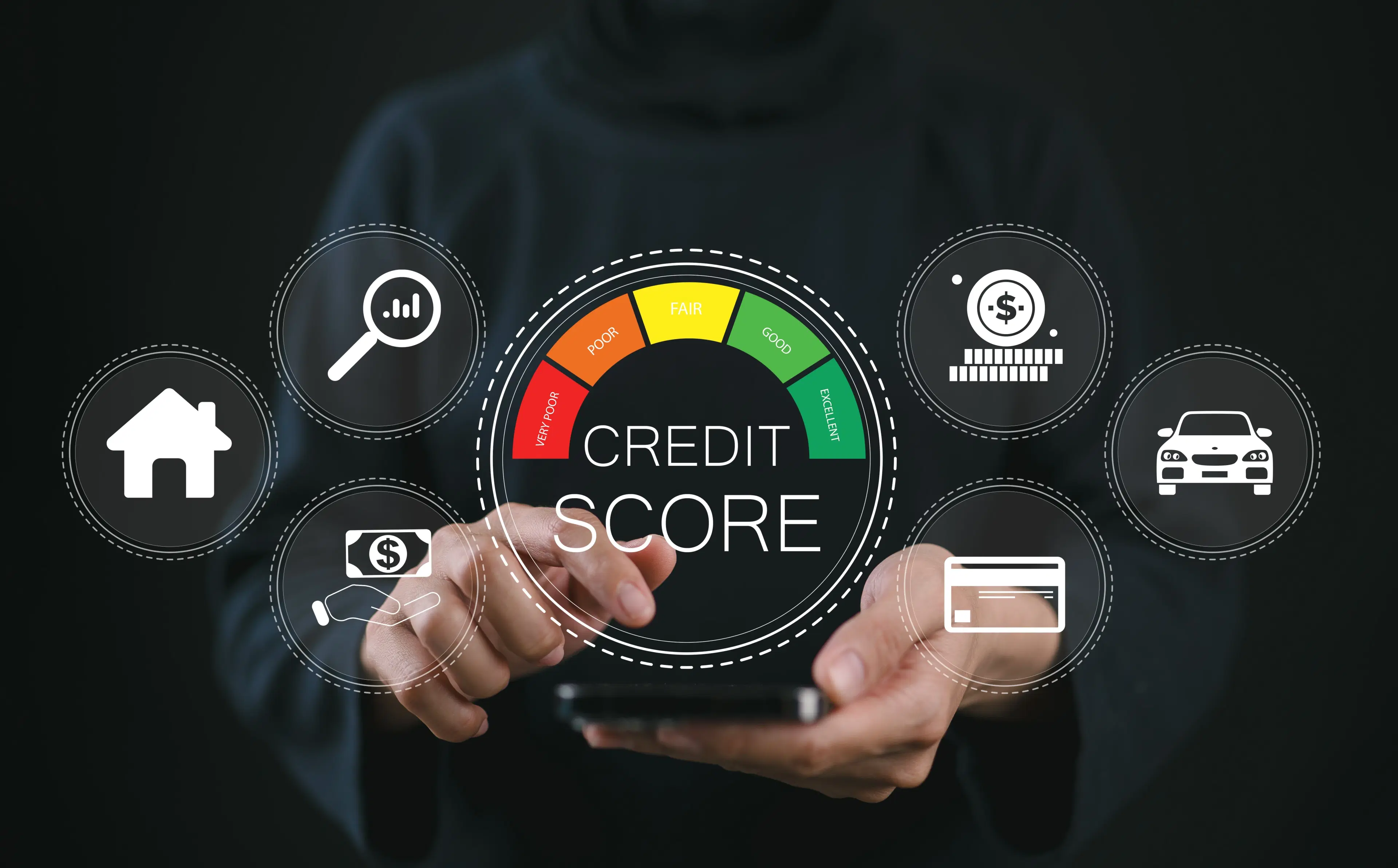
In most of the scoring models in use today -those from FICO® and VantageScore®, among others-the top possible score is 850.
This score is indicative of perfect credit behavior, with timely payments over time, very low credit utilization, and a long, well-managed credit history.
However, you don’t need a perfect 850 to qualify for the top-tier financial benefits. In fact, any score in the “excellent” range-usually 760 to 850-strongly helps you secure the best interest rates, premium credit cards, and favorable loan terms.
How Credit Scores Are Calculated
To understand how to achieve a high score, it is helpful first to understand what matters most. Though specific scoring models differ, they generally take into consideration:
-
Paydex Score Details: Payment History (35%)
Your on-time payments count the most. Just one late payment can drop your score considerably.
-
Credit Utilization 30%
This refers to the actual amount of your available credit that you’re using. It’s good for your score to keep the usage below 30%, and better yet, below 10%.
-
Credit history length Includes 15%
The longer your accounts have been open, the better your score appears.
-
New Credit & Inquiries (10%)
Opening too many accounts in a short period may indicate financial risk.
-
Credit Mix (10%)
A mix of credit cards, loans, and other accounts together signals responsible financial behavior.
Do You Really Need a Perfect Credit Score?
Not always. An ideal credit score is great to look at, but the best rates from lenders generally go to consumers in the high-700s. In other words, a strong score matters more than a perfect one.
It’ll still pay, however, to aim for a higher score — especially if you plan to apply for a mortgage, refinance loans, or qualify for a premium rewards card.
How to Improve Credit Score
If you’re trying to raise your score in 2026, focus on these practical habits:
- Pay all your bills on time. Just one late payment can lower your score.
- Reduce credit card balances to lower utilization.
- Avoid opening several new accounts one after another in a very short period.
- Keep old accounts open. This establishes a long credit history.
- Regularly check your credit report for errors or fraudulent activity.
It’s the little things, done consistently, that usually make a big difference over time.
Why Your Credit Score Matters
A high credit score can unlock major financial advantages in the following ways:
- Reduced loan interest rates
- Higher credit card limits
- Higher chances of approval for mortgages
- Access to premium rewards credit cards
- Lower insurance premiums in some regions
In other words, the higher the score, the more leeway you have financially.
Final Thoughts
The highest possible credit score is 850, but you don’t need perfection to access top-tier financial benefits. By keeping credit in good working order, maintaining low balances, and paying bills on time, you can develop a strong credit profile to support all your financial goals in 2026 and beyond.